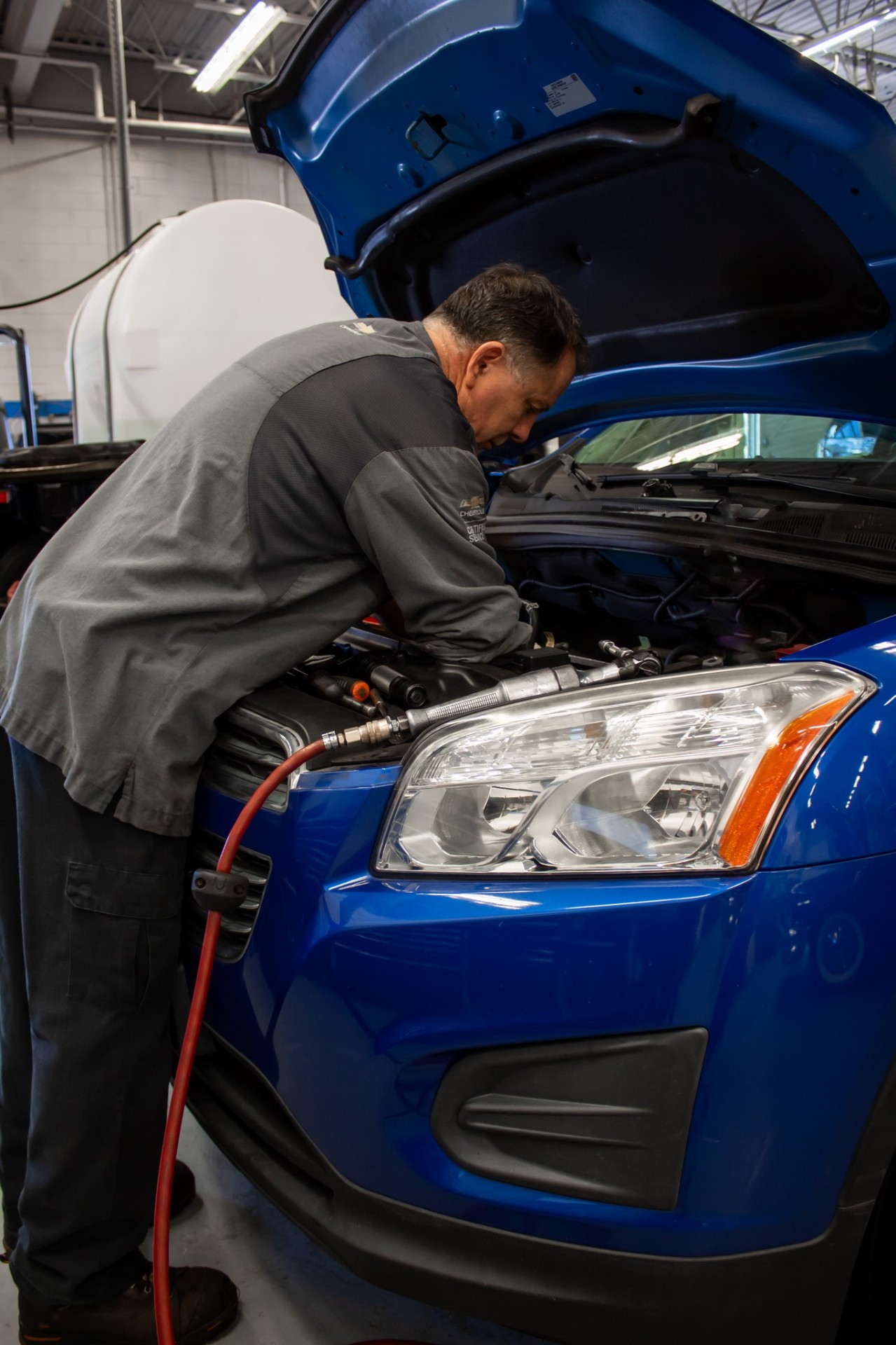
"GM certified" is a phrase used loosely. In dealership terms, it usually means a technician who has completed GM's brand-specific training on a defined set of systems and vehicles. The exact requirements change over time and by role. This guide explains the general framework and where to go for the current specifics.
What "GM-certified technician" commonly means
GM operates internal training and certification systems for technicians working at Chevrolet, Buick, GMC and Cadillac dealerships. Certifications are typically organized by category (for example, electrical, engine, transmission, HVAC, brakes, advanced diagnostics) and by vehicle systems. Technicians work through eLearning, instructor-led training, and hands-on courses. Recognition levels (for example, brand-specific senior or master designations) depend on completion and periodic recertification.
Difference between ASE and manufacturer training
ASE certifications are administered by the National Institute for Automotive Service Excellence and are brand-agnostic. Manufacturer training is brand-specific and often tied to warranty work. Most dealership techs pursue both: ASE for portable credibility, OEM for eligibility to run brand-specific jobs. Employer policies on which are required or reimbursed vary.
Foundational automotive education
Most successful dealership techs start with either a technical-school program (many are accredited by the ASE Education Foundation) or an entry-level dealership role such as maintenance or lube tech, sometimes both. Foundational competencies include basic electrical theory, safe lifting and vehicle handling, common maintenance procedures, and how to use a scan tool.
Entry-level dealership experience
Time in a dealership environment matters because manufacturer training assumes familiarity with the OEM's diagnostic software, information systems, and warranty submission process. Even experienced independent-shop techs may have a ramp-up period on OEM systems when they join a dealer.
GM training systems and dealership participation
GM's Center of Learning delivers a mix of online courses, virtual classrooms, and hands-on lab courses at regional training centers. Dealerships enroll their technicians. Access to certain courses is gated by prerequisites and by dealership approval. Some hands-on courses require travel. For current specifics, GM career and dealer training pages are the authoritative source, and requirements evolve.
Chevrolet, Buick and GMC service experience
Because GM shares platforms across brands, a technician trained on GM vehicles is generally cross-brand capable. Some models (heavy-duty trucks, EVs, performance vehicles) require additional specialized training.
Electrical and diagnostic skills
Modern GM vehicles are electrically complex. Comfort with wiring diagrams, CAN network diagnostics, and scan-tool data streams is essential. Diagnostic ability is one of the most durable and highly valued skills in a dealership shop.
EV and high-voltage considerations
GM's Ultium platform and other EV programs require high-voltage training and specific PPE. Not every dealer employs a full complement of EV-certified techs today. See our EV technician overview and OSHA's electric-vehicle safety guidance for context.
Continuing education
OEM training is not one-and-done. Certifications typically require periodic recertification, and new courses appear as new vehicles and systems launch. Employer support for time and travel affects how much training a technician actually completes.
Why certification requirements can change
Manufacturers periodically restructure training programs, curriculum, and recognition levels. Details published today may not match a program name or requirement two years from now. Always confirm current requirements with GM and with a specific dealership before making a career decision.
Questions to ask a GM dealership
- Which GM training courses do you send technicians to, and how frequently?
- Is training time paid, and are travel and lodging covered?
- Are ASE test fees reimbursed?
- How do you assign work that requires specific certifications?
- What is the path to eligibility for advanced or master-level GM work?
Possible career progression
A common progression is entry-level technician → general service technician → main-line technician → brand-certified technician → master or specialist. Not every technician wants or needs to reach the highest tier. See our automotive technician career path guide for more on the range of paths.
Curious about a career at Patriot?
Explore opportunities with Patriot Chevrolet and Patriot Buick GMC in Limerick, Boyertown and Warminster, Pennsylvania. Available opportunities may vary by location, and submitting an interest form does not guarantee an interview or employment offer.
Frequently asked questions
- Do I need GM certifications to work at a Chevrolet, Buick or GMC dealer?
- It depends on the role. Entry-level maintenance and lube positions often do not require them. Main-line and warranty work generally require GM-specific training, and employer requirements vary.
- Is GM training paid time?
- It depends on the dealership. Ask directly, and get the answer in writing.
- How long does it take to become GM-certified?
- There is no single answer. It depends on how many courses are required for the specific certification level, prerequisites already completed, and how quickly an employer can schedule training.
Sources
- GM Dealer Technician Careers — General Motors
- About ASE Certification — National Institute for Automotive Service Excellence (ASE)
- Certification Tests — Automobile & Light Truck — National Institute for Automotive Service Excellence (ASE)
- Electric and Hybrid-Electric Vehicles — Safety and Health Topics — Occupational Safety and Health Administration
- Automotive Service Technicians and Mechanics — Occupational Outlook Handbook — U.S. Bureau of Labor Statistics (2024 data)
Last reviewed July 24, 2026. Time-sensitive figures should be re-verified against the original source before use.
Related articles
Career Development
Automotive Technician Career Path: From Apprentice to Master Technician
The realistic progression from entry-level maintenance work to master technician, diagnostic specialist, or shop leadership.
EV and Advanced Technology
What Does an EV Automotive Technician Do?
An overview of EV service work, the skills that transfer from internal-combustion repair, and the safety training that does not.
Dealership Careers
Questions Automotive Technicians Should Ask During a Job Interview
The questions that separate a good dealership offer from a bad one — grouped so you can bring them to the interview and take notes.